Dunure Castle
Ayrshire & Arran
Ayrshire & Arran sits on the west coast of Scotland. Home to a vibrant island community, charming country towns and sandy shores, discover the region that gave us our National Bard, Robert Burns. Visit attractions connected to the iconic poet, ancient castles and places steeped in Viking heritage.
Find experiences
JavaScript needs to be enabled to see this product search form. You can turn this on in your browser settings.
Things to do in Ayrshire & Arran
Take a walk along the coast, find out more about our National Bard or taste a drop of whisky and see how it's made.
Castles in Ayrshire & Arran
From spectacular stately mansions to historic ruins and edifices, discover castles in Ayrshire & Arran.
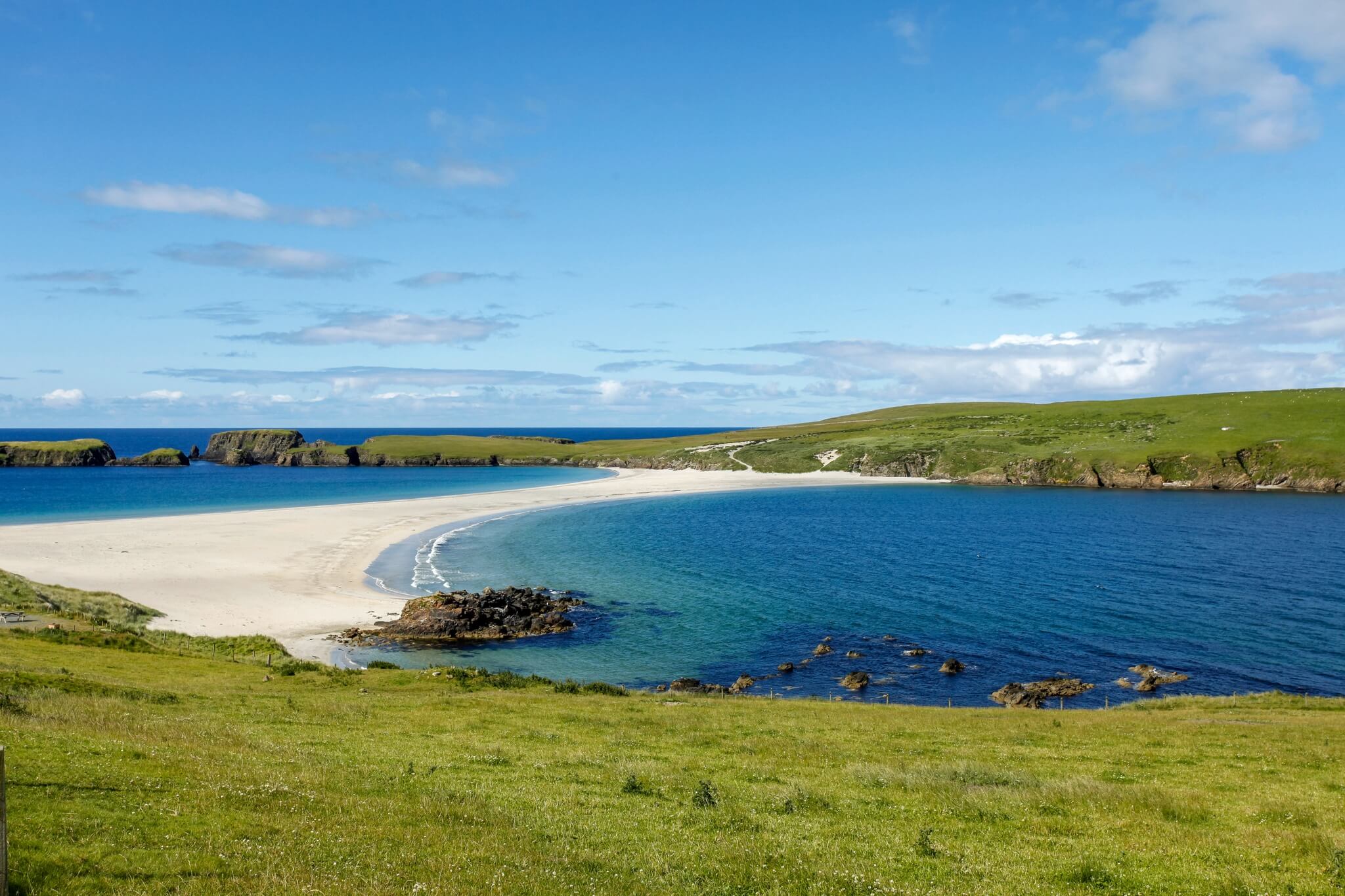
Beaches in Ayrshire & Arran
Find beautiful beaches in Ayrshire & Arran.
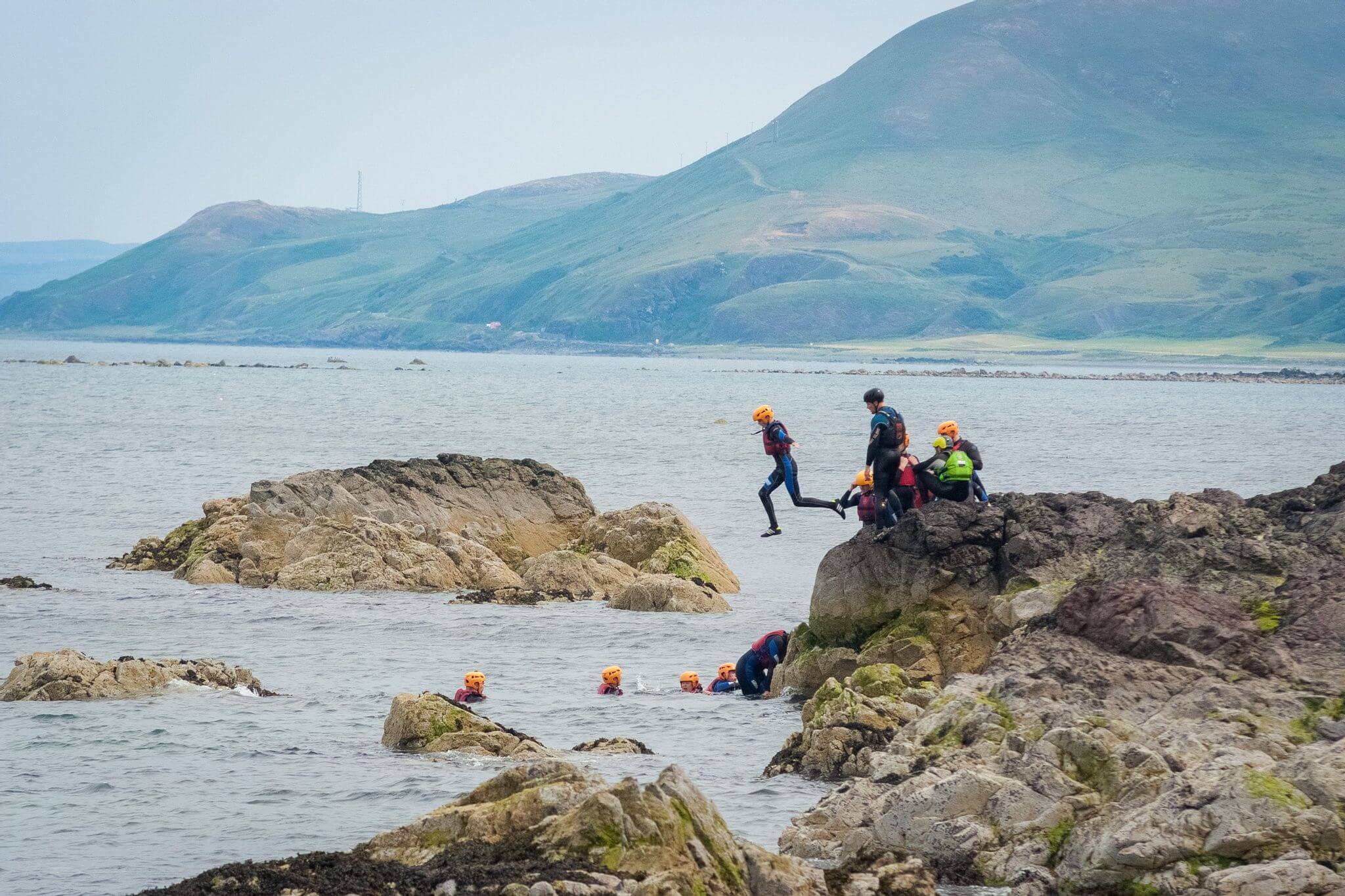
Arran outdoor adventures
Stunning landscapes or adrenaline pumping adventures, there’s something for everyone.
Attractions in Ayrshire & Arran
Explore a fantastic range of attractions in Ayrshire & Arran.
Inspiration for Ayrshire & Arran breaks
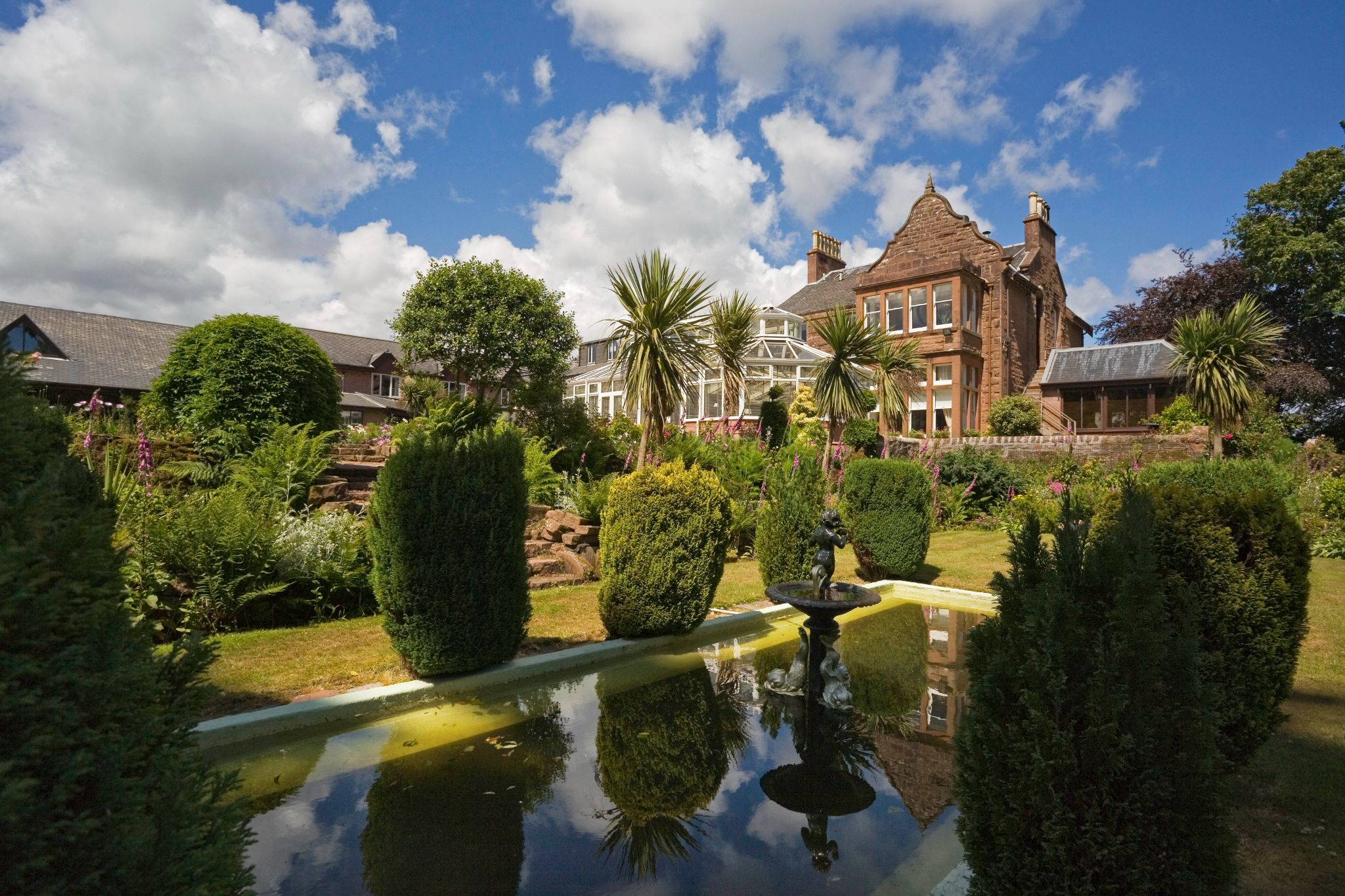
Auchrannie House Hotel, Spa Resort and Country Club
Places to stay
Explore a variety of great accommodation across Ayrshire & Arran. From cosy cottages, self-catering lodges, luxury hotels, and family-run B&Bs, to back-to-nature campsites, exlucisve-use venues, glamping pods and more.
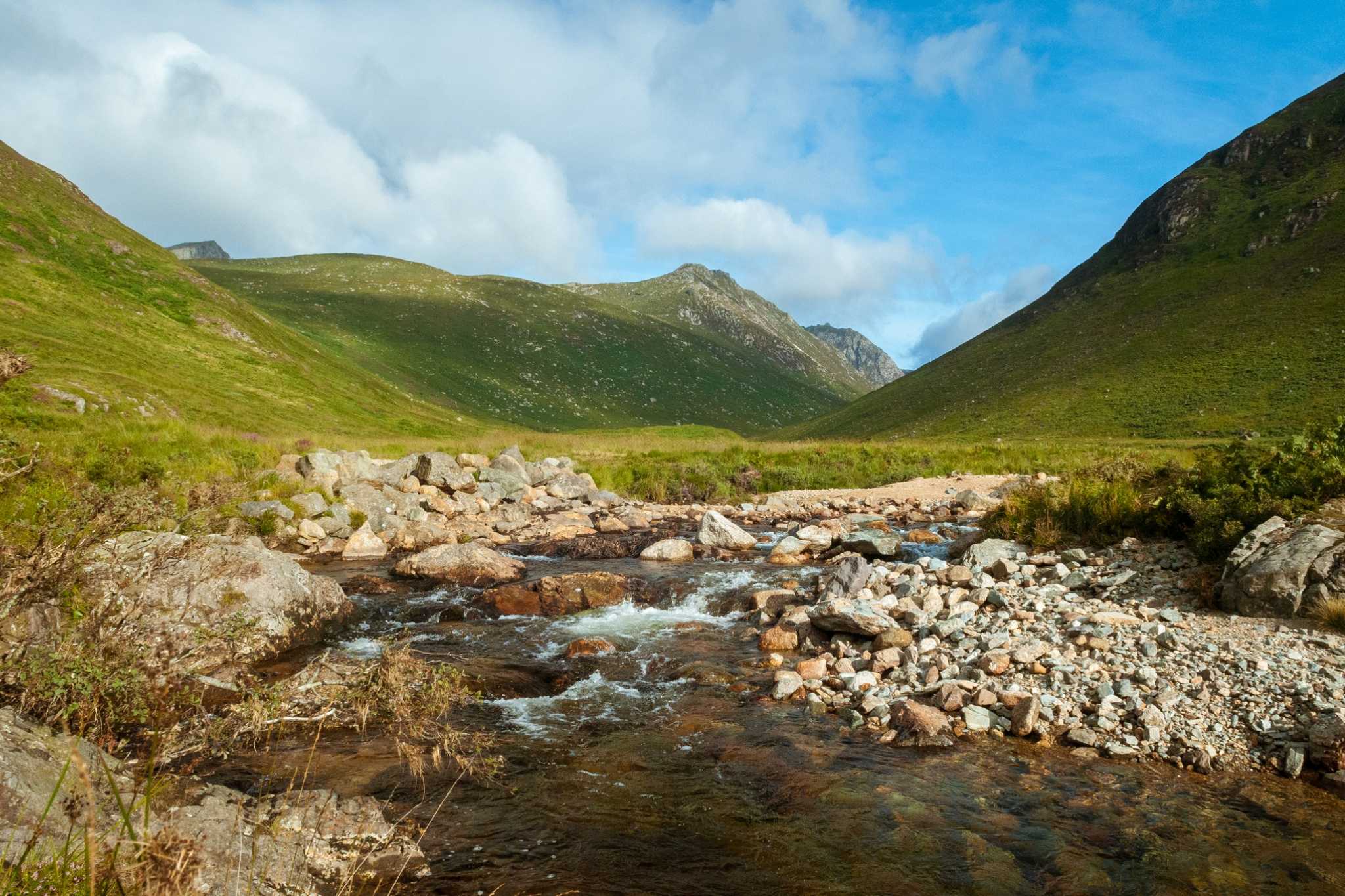
The pools at Glen Rosa with a view of Goat Fell, Isle of Arran
© Barry Dawson / Ayrshire & Arran Tourism Group
Tours, Routes & Trails
From the gentle Burns' Trail to the sweeping River Ayr Way, discover great driving, cycling and walking routes in Ayrshire & Arran.
Unique experiences
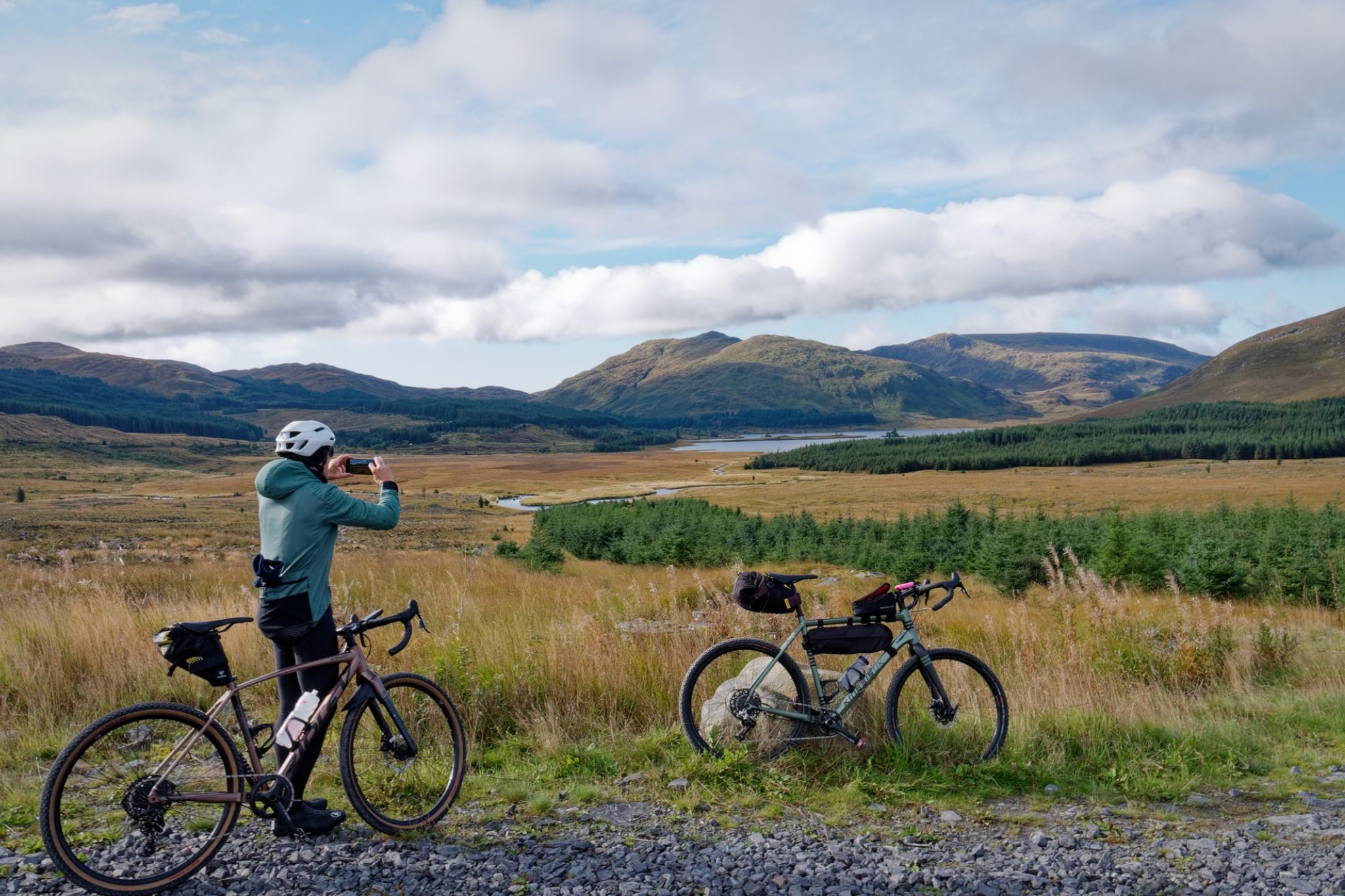
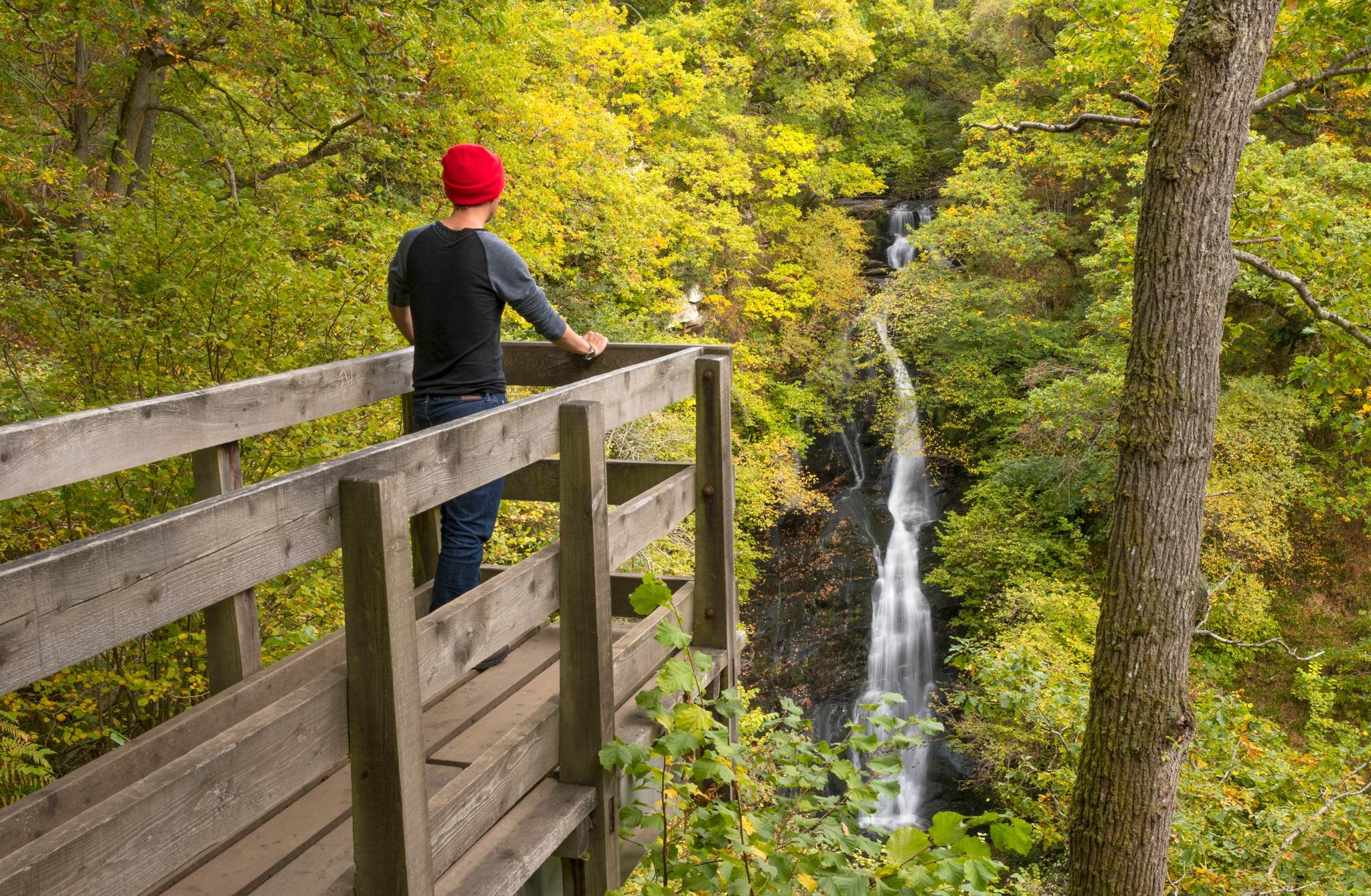
Galloway and Southern Ayrshire Biosphere
Explore the biosphere and discover untouched coastlines and deep woodlands and forests, with a rich diversity of plants and wildlife.
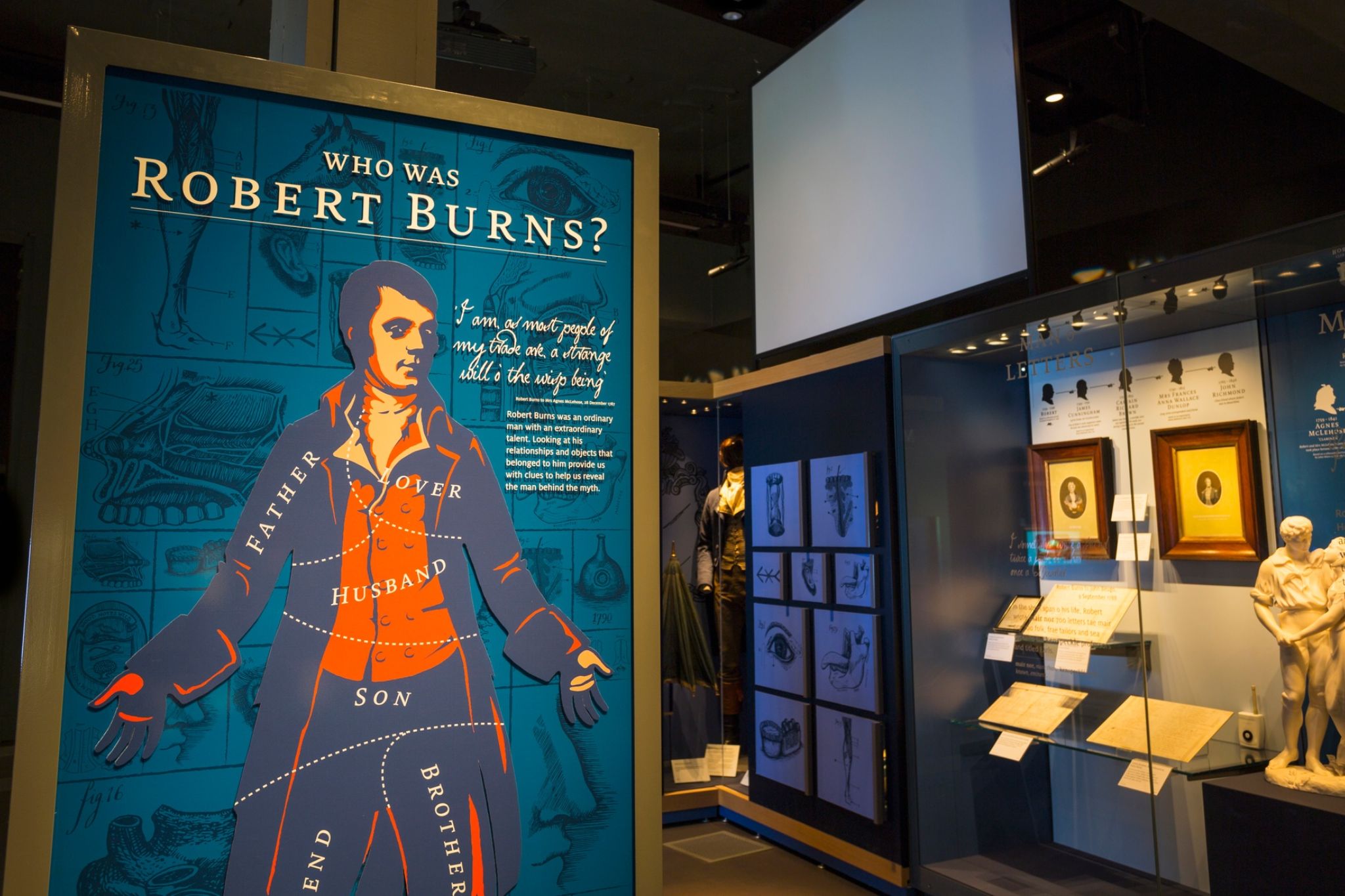
Robert Burns
Discover Scotland's National Bard, Robert Burns, his colourful life, most famous works, and the ultimate guide to celebrating Burns Night.
What's On in Ayrshire & Arran
Largs Viking Festival
© Ayrshire and Arran Tourism Group
Events
Take a look at some of the latest events and festivals taking place across the region.
Places to eat in Ayrshire & Arran
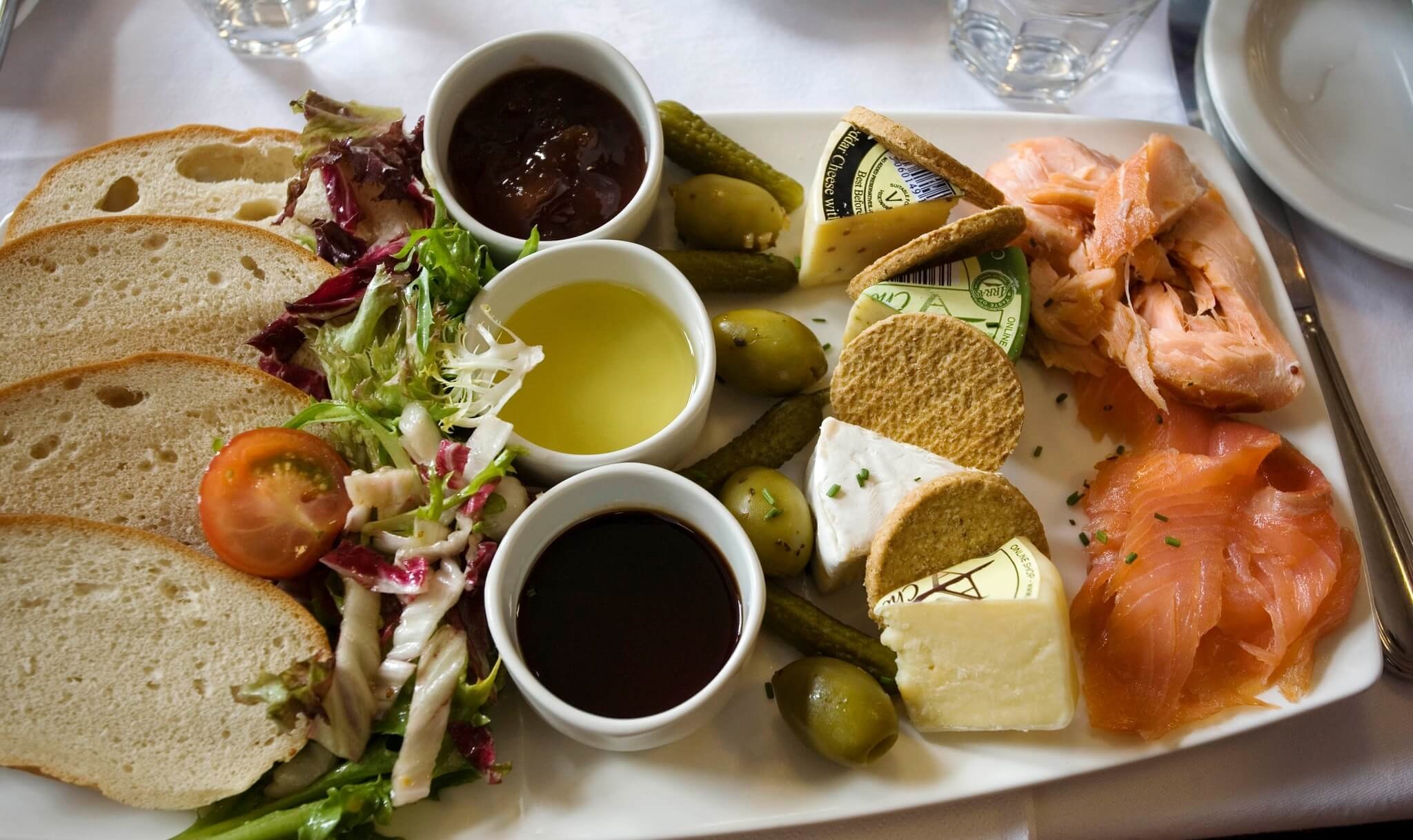
The Arran cheeseboard platter
Food & Drink
Ayrshire & Arran is full of flavour, with fantastic eateries and an abundant natural larder of tasty delights.
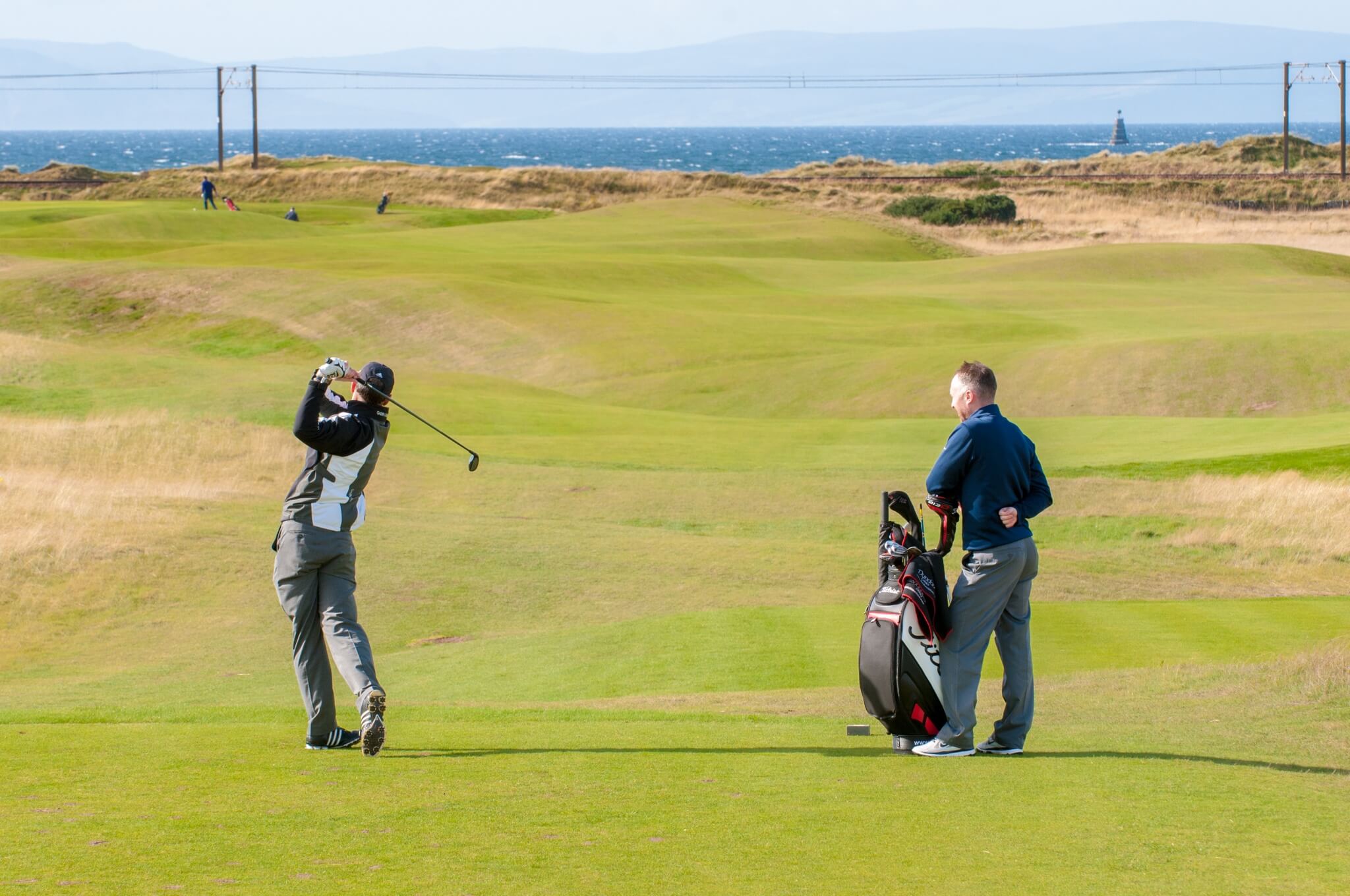
Dundonald Links Golf Course located in the heart of Ayrshire
What is Ayrshire & Arran known for?
Ayrshire is one of the best golf destinations in the world, including three Open Championship venues. The region is also known for being the perfect place to slow down and relax.
A tip from your local expert
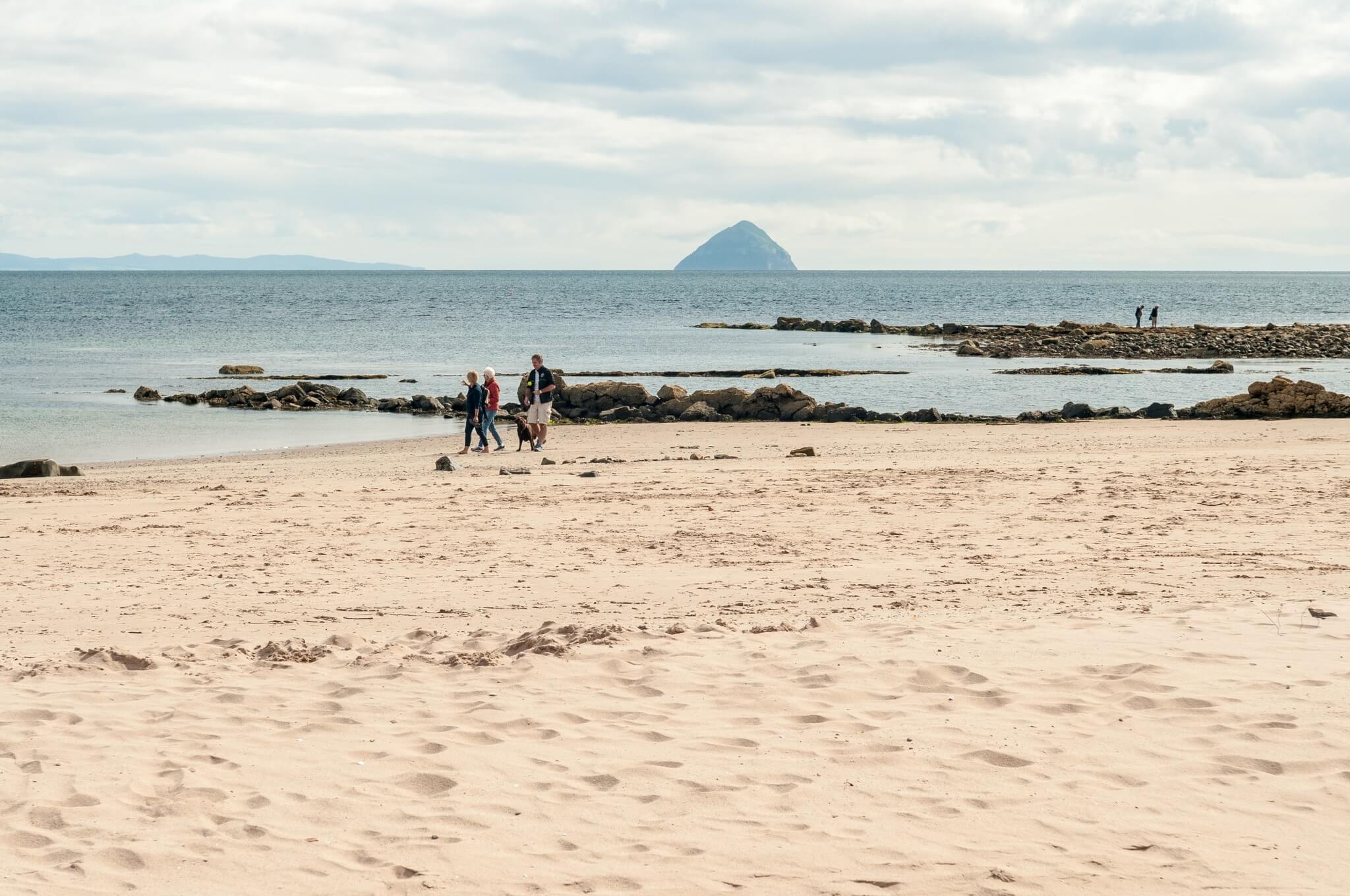
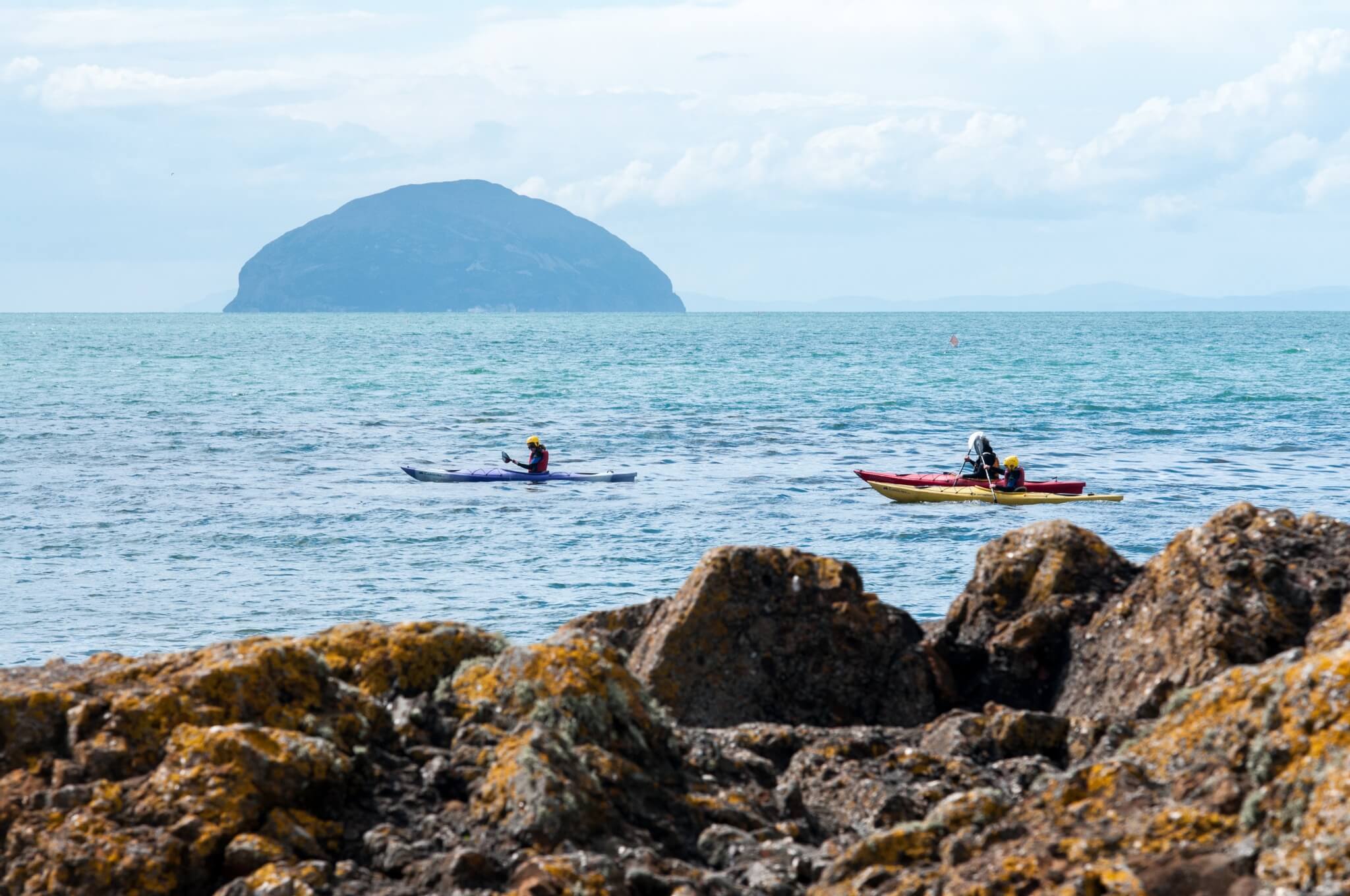
Kildonan Beach on The Isle of Arran with Ailsa Craig in the distance